The Cook-e blog
Operator perspectives and field notes.
Writing from the Cook-e team on vision AI in food service, unattended operations, and the engineering decisions behind the cabinet.
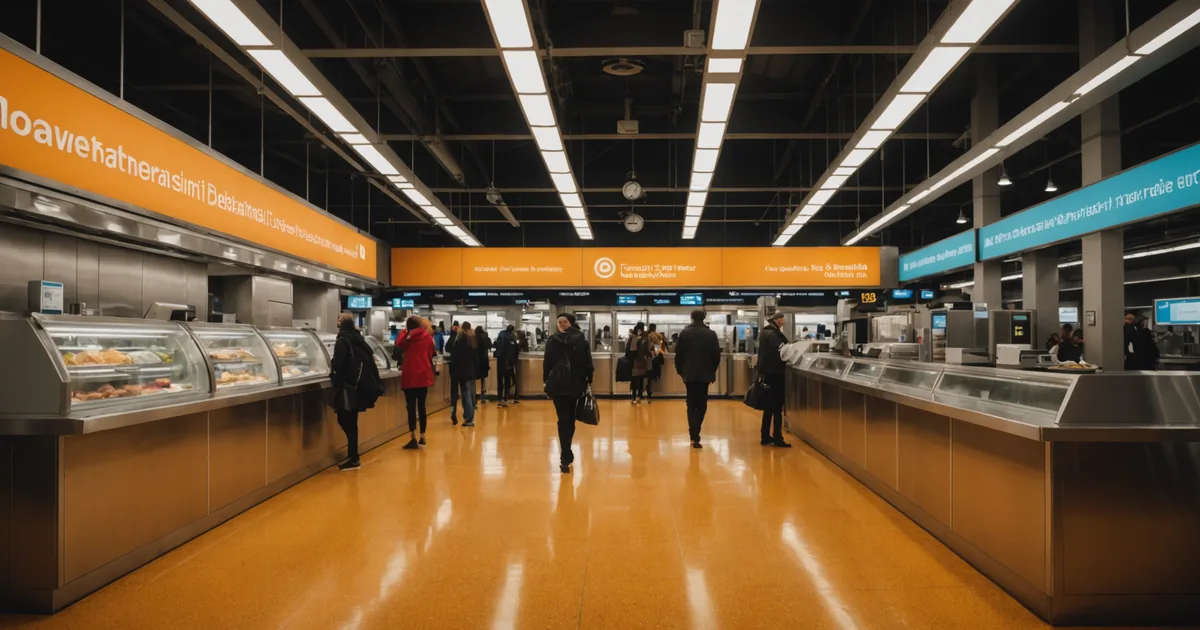
Hot food at transit hubs: the pass problem
Why the last-mile of hot food service falls apart at train stations, ferry ports, and airport concourses.
Timing control in unattended food service
Hold windows, over-temperature triggers, and why a fixed timer without visual confirmation is the wrong architecture.
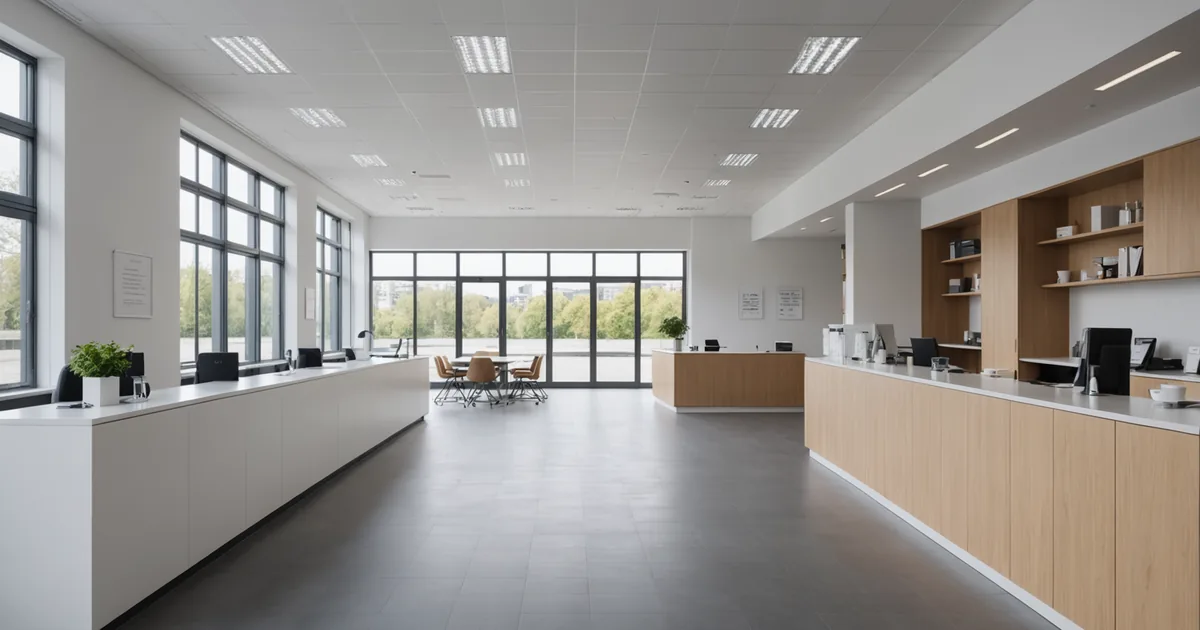
Office lunch: the last unserved shift
A 90-minute peak window, facilities staff who are not trained cooks, and a canteen that needs to run itself.
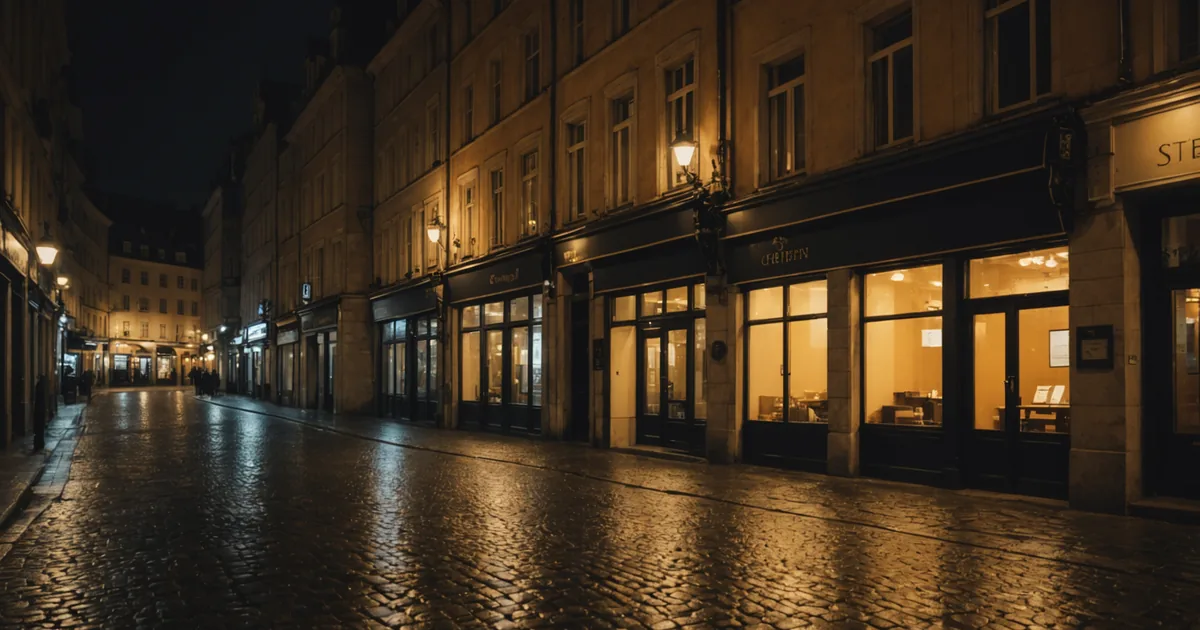
Late-night food deserts in city centres
Why hot food disappears from city centres after 22:00, who gets left behind, and how unattended cabinets close the gap.
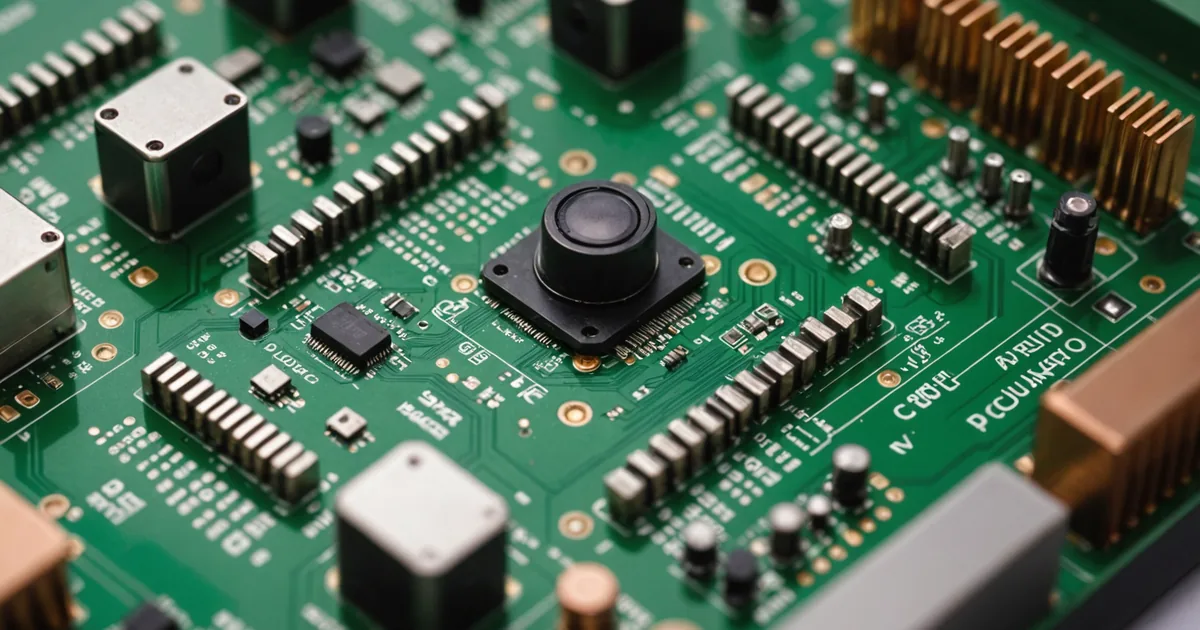
Embedded hardware in commercial kitchen equipment
Heat, humidity, grease aerosols, and the camera housing decisions that follow from each engineering constraint.

Doneness as a sensor signal, not a guess
What computer vision actually measures when it classifies cooked food - colour channels, texture gradients, steam scatter.
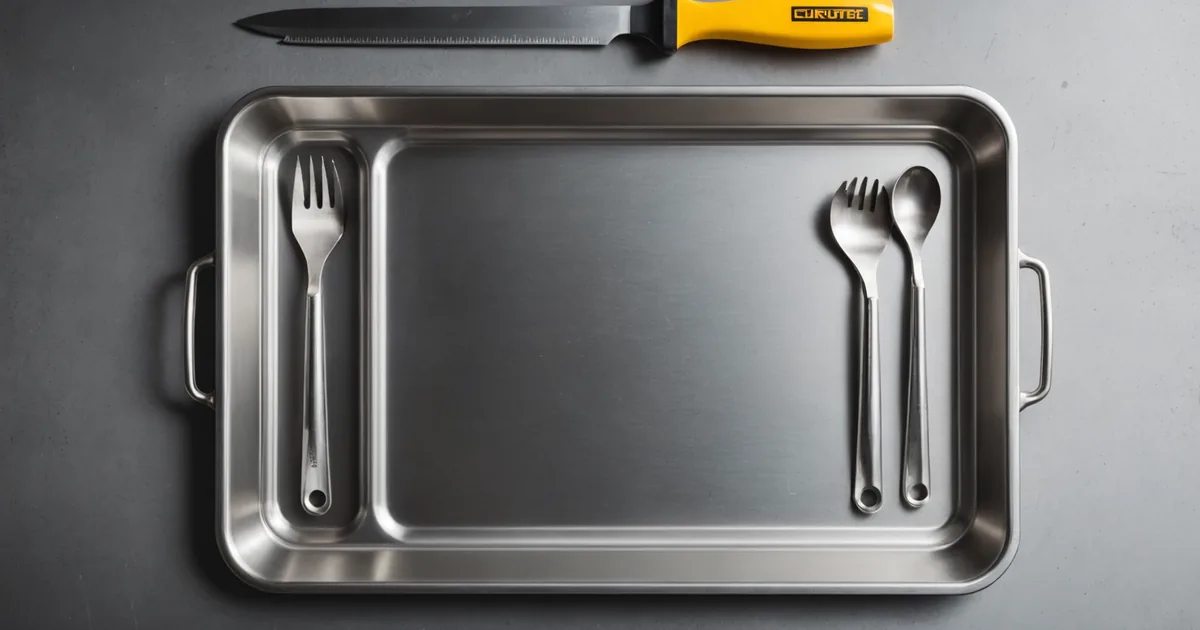
The five-minute plate: a design constraint
Why five minutes from cabinet to plate shapes every hardware decision, from tray depth to heating element placement.
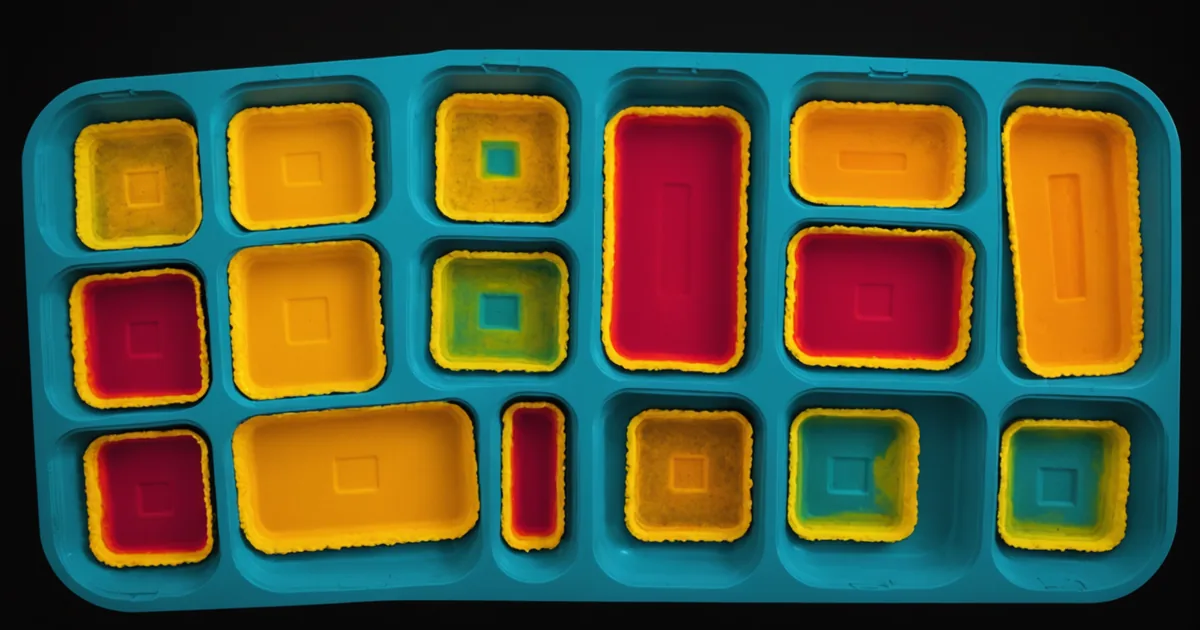
Food safety, holding temperatures, and AI oversight
HACCP holding temperature requirements and how Cook-e's sensor chain is designed with food safety audits in mind.
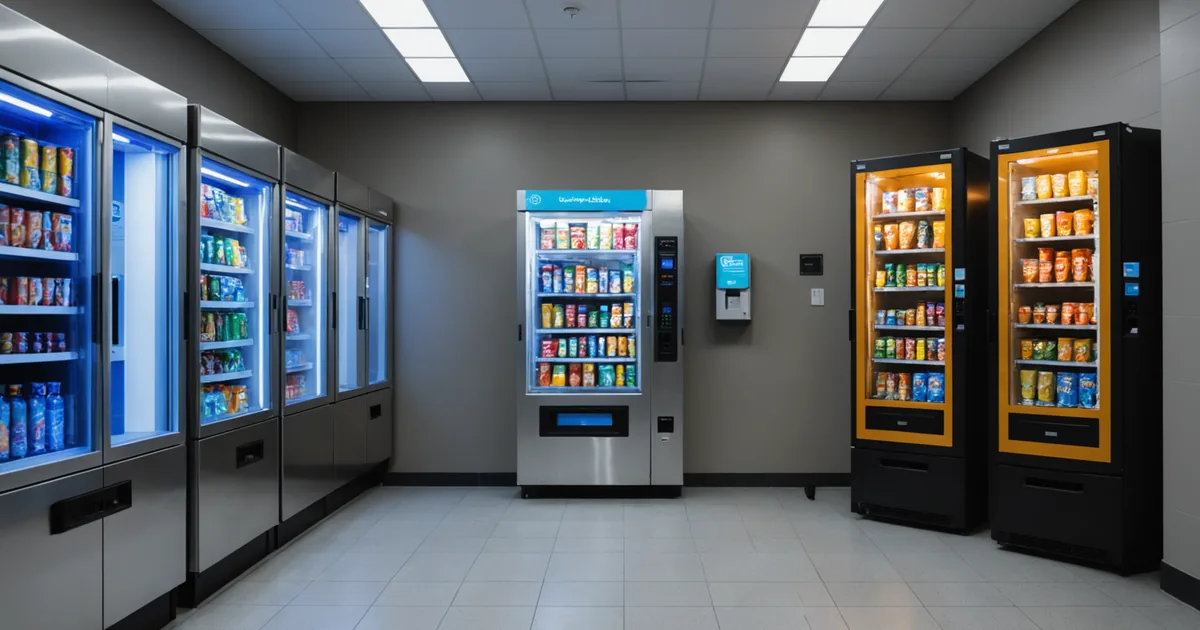
Unattended retail food vs hot cabinet service
Vending machines, ambient grab-and-go, and Cook-e - where each model fits and the operator economics that separate them.

Vision models in food service: a field guide
A practical survey of how machine vision is being applied in commercial food environments.
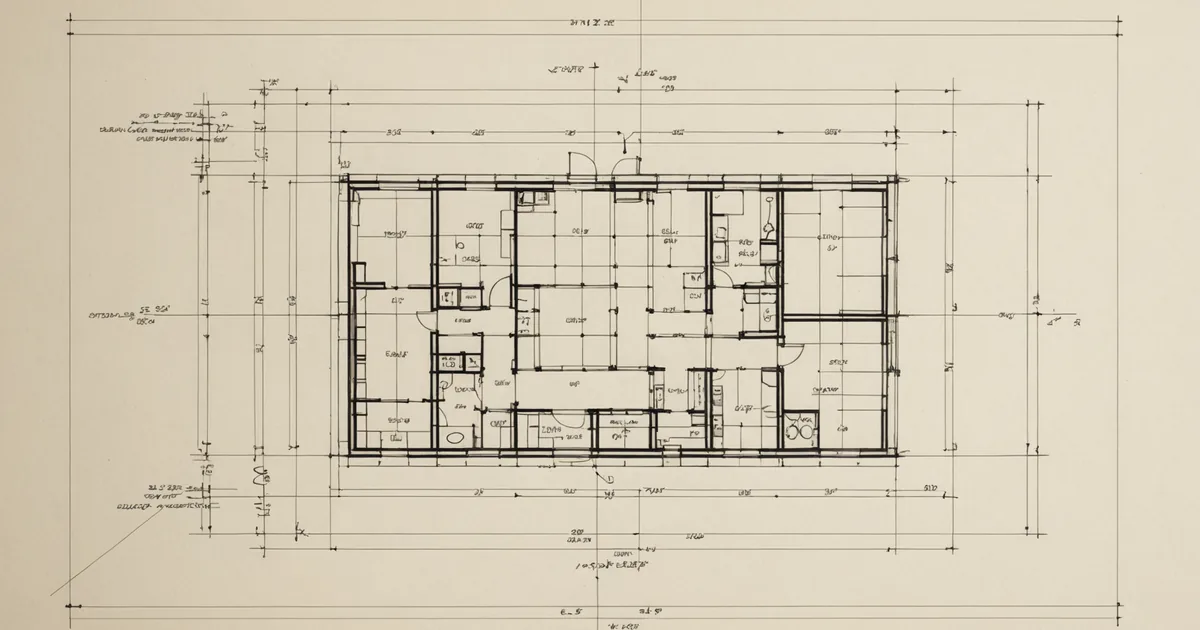
Planning a no-cook pass in a transit hub
What a transit operator needs to consider before deploying a fully unmanned hot food service.
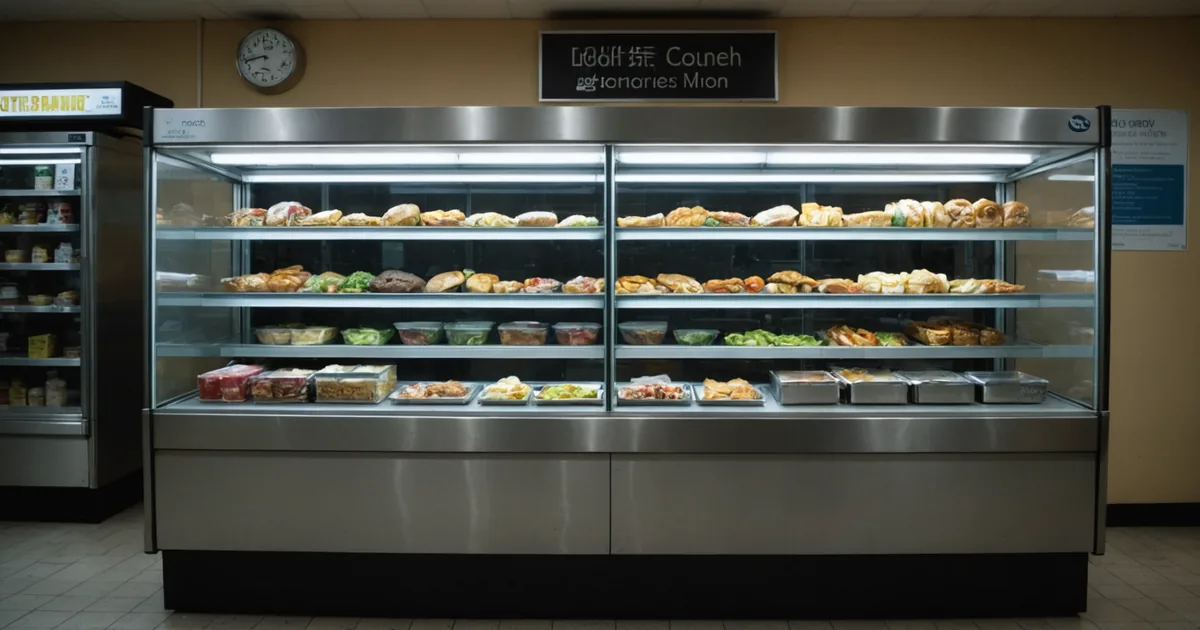
Why hot food fails in high-turnover spaces
The structural reasons hot food quality collapses under high footfall and shift-based staffing.