The question we hear most often from transit operators who are interested in Cook-e is not about the technology. It is about the operational planning: what do I need to put in place before this can work? How much space does it need? What are the power requirements? Who loads it and when? This is the right set of questions. The technology is only useful if the operational conditions around it are well planned. This article works through those conditions in order.
Step 1: Define your service window
The first decision is not where the cabinet goes or how many trays it needs. It is when the service operates and for how long.
Transit hubs have characteristic footfall patterns: morning commuter peak, lunchtime peak, evening commuter peak, and variable late-night traffic in major stations. Most concession operators know their footfall numbers for these windows. The service window question is: which windows do you want the hot food service to cover, and do you have the operational capacity to load the cabinet before each window?
Cook-e's hold management means the cabinet can run through a service window without staff presence at the pass. But it cannot load itself. Each service window requires a loading event approximately 25 to 30 minutes before service opens, to allow food to reach holding temperature. If you want to run breakfast (06:00 to 09:00) and lunchtime (11:30 to 14:00) service windows, you need two loading events: one at approximately 05:30 and one at approximately 11:00. If your concession team does not have the schedule to accommodate both, run one window, not both poorly.
It is better to run a single well-supplied service window than two under-resourced windows. The quality failure mode for an unattended hot food service is usually not the cabinet's technology. It is understocked trays or missed loading timing.
Step 2: Space and siting requirements
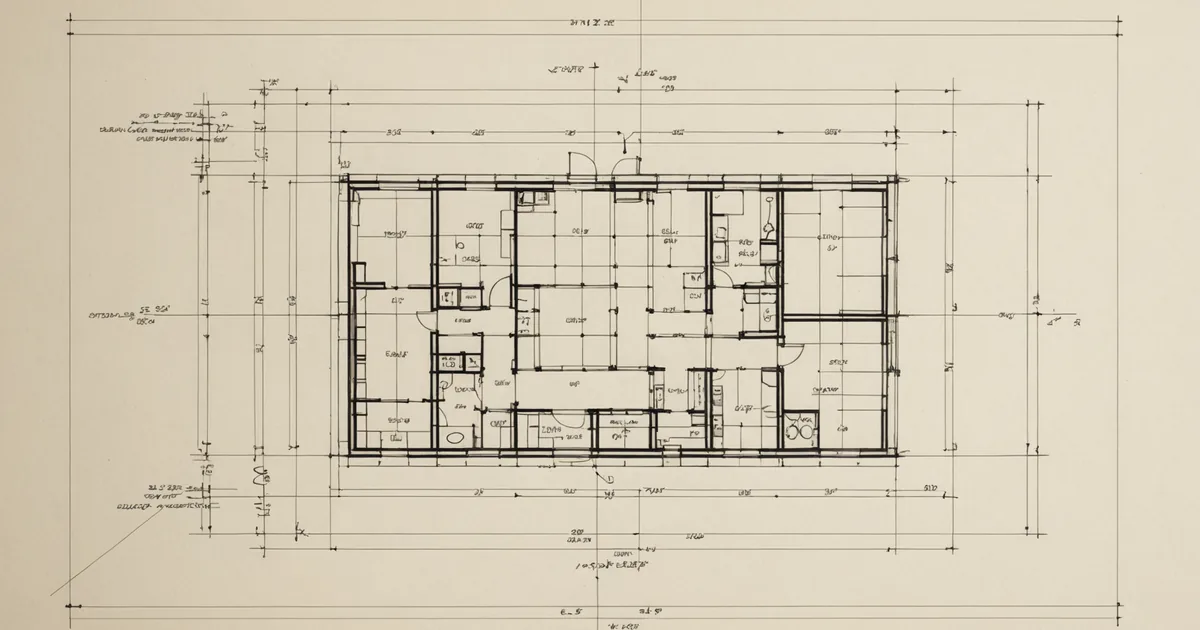
Cook-e's cabinet has a footprint of approximately 600mm wide by 700mm deep. This fits within a standard concession kiosk unit without displacing other equipment. The cabinet is freestanding; it does not require wall mounting or structural modification of the concession point.
Siting considerations beyond the footprint:
Clearance. The cabinet door opens to the front. You need at least 700mm of clear space in front of the door for operation. In a narrow kiosk with a counter in front, the operational approach is typically for staff to access the cabinet from behind the counter for restocking, with customers served from the front through the counter service point. Verify that the kiosk layout allows the cabinet door to be opened and trays accessed without requiring customers to move.
Power supply. The cabinet requires a 220-240V 10A dedicated circuit. This is equivalent to a standard commercial kitchen appliance circuit. Most transit hub concession points have this capacity. Verify with the site's electrical contractor that the concession circuit has sufficient headroom for the cabinet load alongside existing equipment. The cabinet draws approximately 2.2 kW at peak heating load (during heat-up phase from cold start) and approximately 0.8 kW during steady-state hold operation. The peak load matters for circuit sizing, not the steady-state draw.
Network connectivity. The cabinet's dashboard and remote alerting require network connectivity. Wi-Fi (2.4 GHz or 5 GHz) is the standard connection. LAN Ethernet is also supported. In transit environments where Wi-Fi signal is unreliable in certain areas, Ethernet to a local switch is the preferred approach. Check network coverage at the intended siting location before committing to it. The cabinet does not require continuous connectivity for its core functions (temperature monitoring and hold management run on-device), but the dashboard and SMS/email alerts require connectivity to be useful.
Step 3: Food supply and restocking cadence
The food supply model for a Cook-e deployment in a transit hub typically takes one of two forms: a central kitchen delivery or a par-prepared purchase from a commercial food supplier.
Central kitchen delivery means food is prepared at a central production facility and delivered par-cooked and chilled (or hot, if the delivery window is close to service) to the concession point. The concession team loads the delivered trays into the cabinet for the service window. This model requires a reliable delivery schedule that aligns with the loading timing.
Supplier purchase means par-prepared items (cooked chicken portions, beef patties, pastry items, egg dishes) are purchased from a commercial food supplier and stored chilled at the concession point or a nearby storage area. The concession team loads items from the chilled storage at the scheduled loading time.
The restocking cadence question is how many trays you need loaded per service window. This depends on your demand estimate for that window and the cabinet's tray capacity. A conservative starting assumption for a medium-footfall transit point is 6 to 8 tray positions per service window, which covers 30 to 50 individual serves depending on portion format. As you develop data on actual demand from the first few weeks of operation, you refine the cadence. Over-loading initially is preferable to under-loading: food that is not served by the end-of-hold alert is a cost, but running out of food mid-peak is a revenue and experience failure.
Step 4: Staff training for the loading role
The person responsible for loading the cabinet does not need culinary training. They need to know three things: how to load a tray into the correct slot, how to read the dashboard, and what to do when an alert fires.
Loading a tray is straightforward: open the door, slide the tray into the slot, close the door. The cabinet handles the rest. The only food handling step that requires care is that trays are loaded from a chilled or freshly prepared state; the cabinet should not be asked to compensate for food that has been sitting at ambient temperature for several hours before loading.
Reading the dashboard means being able to see which trays are in which state (not yet ready, in hold window, end-of-hold alert). This is visible on the wall-mounted or counter tablet that connects to the cabinet's local network. The display is designed to be interpretable without training: colour-coded tray status, clear alert labelling.
Responding to an alert means pulling the alerted tray from the cabinet and either serving the item or discarding it if demand has passed. For a concession point without continuous staff at the hot food point, the alert also goes to a mobile SMS or email, so the person responsible does not need to be watching the dashboard continuously.
Step 5: Cleaning and maintenance
The cabinet requires daily cleaning at end of service: the interior tray shelves, the camera window, and the exterior surfaces. Daily cleaning takes approximately 10 minutes for a person familiar with the procedure. The trays themselves are dishwasher-safe and go through the standard kitchen dishwasher cycle.
The camera window cleaning frequency depends on the food types served. Items with higher fat content produce more aerosol during holding and require more frequent window cleaning. For typical transit hub food types, weekly window cleaning is usually sufficient; the dashboard's service counter tracks the time since the last logged cleaning event and prompts when a cleaning is due.
Quarterly maintenance checks: verify temperature sensor calibration with a reference thermometer, inspect the cable connections at the base compartment, check the desiccant pack in the camera module housing. These are 30-minute tasks for someone following the maintenance guide. They do not require a specialist engineer for routine checks.
The operational reality
The no-cook pass is achievable in a transit hub environment when the above conditions are met. None of them are technically difficult. The hard part is the operational discipline: consistent loading timing, reliable food supply, and a clear ownership of who is responsible for loading and for responding to alerts.
The cabinet's technology handles the doneness and hold management problem. The operational planning handles the supply and timing problem. Both need to be in place. A well-planned operational setup with Cook-e produces a consistent hot food service with no cook at the pass. A poorly planned one, where loading happens at inconsistent times or where the food supply is unreliable, will produce inconsistent results that are not a reflection of the technology's capability.
If you are planning a deployment and want to work through the specifics for your site, the best approach is a site visit and a planning conversation before ordering equipment. The operational planning is where most of the value is created.